
Voices on Peace and War
Research & Writing
John and Mary Frances Patton Peace & War Center — a Norwich University academic center of excellence.
Our Work
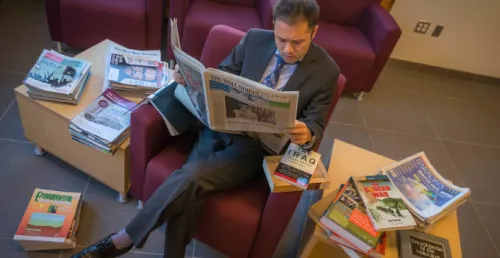
The center annually produces a peer reviewed journal (Journal of Peace and War Studies), a weekly newsletter, regular opinion pieces in the Voices on Peace & War forum and research publications by our Richard S. Schultz '60 Symposium Fellows and our Senior Research Fellows.
The center is the home of the William E. Colby Military Writers' Award. It is awarded annually to a first solo work of fiction or nonfiction that has made a major contribution to the understanding of military history, intelligence operations or international affairs.
Anyone interested in contributing to our work is invited to connect with us at peaceandwar@norwich.edu.
Contact Us
W. Travis Morris, PhD, Director, Peace & War Center | wmorris@norwich.edu
Yangmo Ku, PhD, Associate Director, Peace & War Center | yku@norwich.edu
Megan Liptak, M '09, Assistant Director, Peace & War Center | mliptak@norwich.edu
New edition every Friday!
Peace & War Newsletter
The John & Mary Frances Patton Peace & War Center publishes a weekly newsletter that features our Voices on Peace & War forum, student experiences, articles and videos by our Senior Research Fellows and a variety of other items focused on the topics of peace and war. Subscribe to receive the newsletter in your email for free.
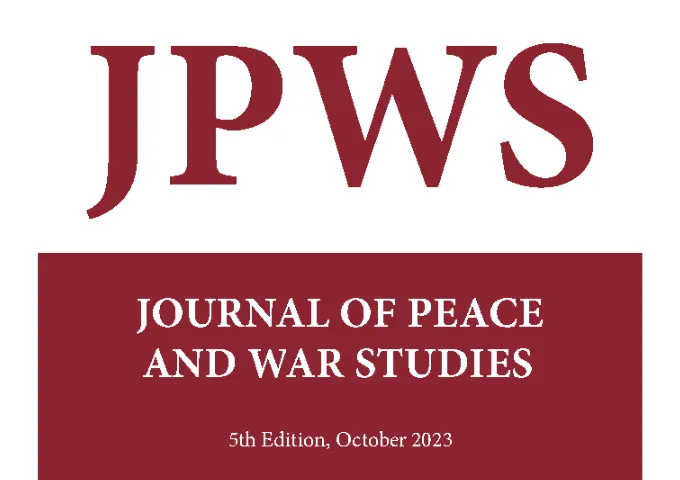
Journal of Peace and War Studies
The Journal of Peace and War Studies (JPWS) is an annual peer-reviewed journal published by the John and Mary Frances Patton Peace and War Center (PAWC) at Norwich University - America's oldest private military college and birthplace of the Reserve Officers' Training Corps (ROTC).
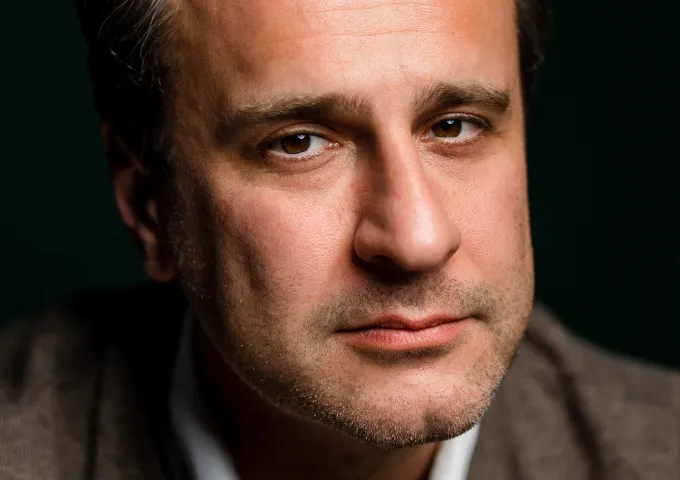
2025 William E. Colby Award Winner, Simon Shuster
William E. Colby Military Writers' Award
The Colby Award recognizes a first book-length work of fiction, nonfiction, or poetry that has made a major contribution to the understanding of military history, intelligence operations, or international affairs.
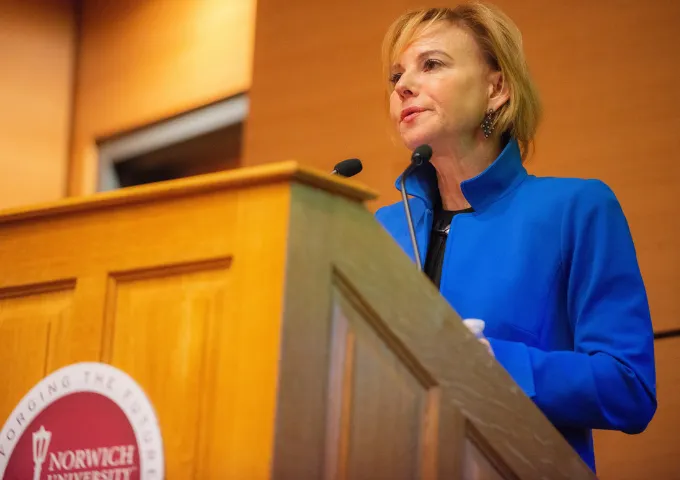
Dr. Sherri Goodman, Chair of the Board Secretary General, International Military Council on Climate & Security.
Senior/Faculty Research Fellows & Visiting Scholars
The John & Mary Frances Patton Peace and War Center Senior/Faculty Research Fellows program invites world class scholars and our world class faculty to engage with the center in a variety of formats. The Visiting Scholars program brings unique experts to campus to engage directly with our students.
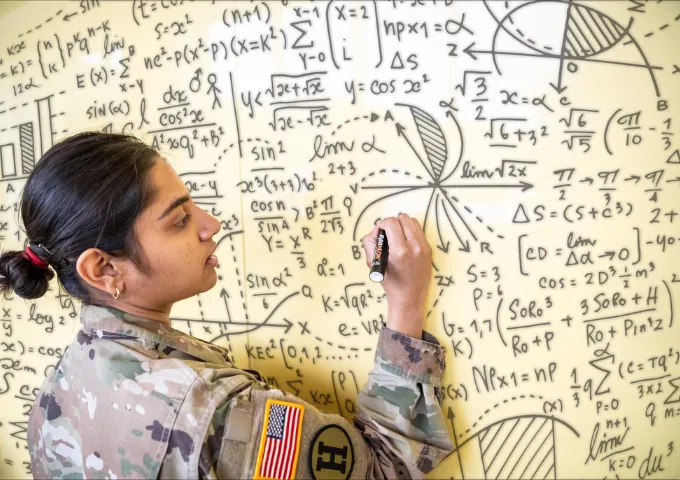
Richard S. Schultz ’60 Symposium Fellowship
The Richard S. Schultz ’60 Symposium Fellowship was established in 2017 as an endowed fund in honor of “Dick” by his wife of fifty years, Myrna L. Schultz, their children, Marni and Alan, and his classmates and friends.
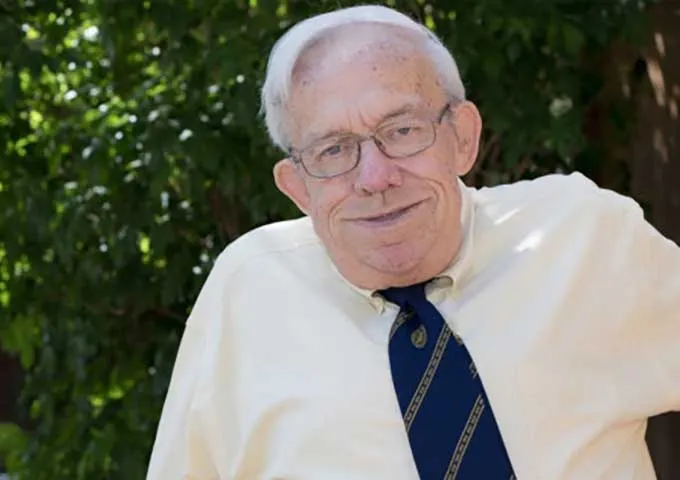
Dennis E. Showalter Research Fellowship
The Dennis E. Showalter Research Fellowship at the College of Graduate and Continuing Studies recognizes Professor Dennis Showalter's contributions to the military history field, its junior scholars, and especially to our M.A. in Military History (MMH) program.
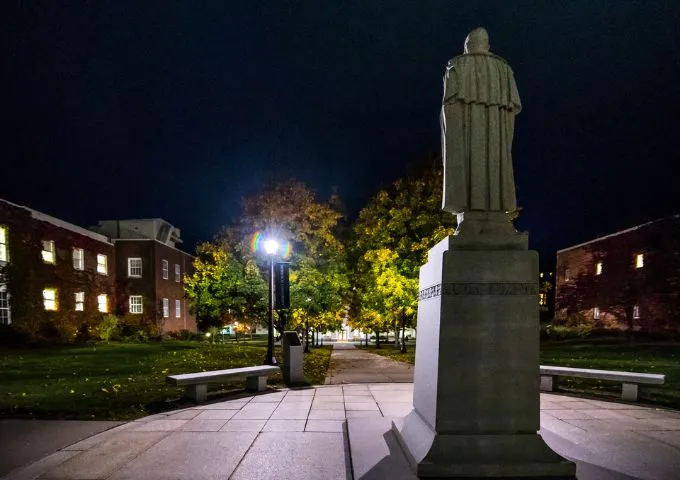
International Security Fellows Program (ISFP)
The John and Mary Frances Patton Peace & War Center at Norwich University seeks to advance the Norwich vision and mission through the ISFP in collaboration with the Democratic Resilience Center at Helmut Schmidt Universitat.
Featured Student Work
Amrutaa Vibho, Class of 2026
Redesigning the Stability Control and Augmentation System of the MV-22 Osprey Tiltrotor as a Hypersonic VTVL Suborbital Aircraft
Lucia Frezza, Class of 2024
How Anonymous Sudan Leverages Perception in its Cyber Operations Against Israel: A Threat Profile
Lilian Lu, Class of 2026
Case Study on Israel’s Military Use of Artificial Intelligence in the ongoing Israel-Hamas Conflict
Voices on Peace and War
Voices on Peace and War
The New Russian Roulette: Taliban Edition
Russia and the Taliban formalized a military-technical cooperation agreement in May 2026, reflecting a broader Russian effort to deepen ties with Afghanistan’s Taliban government through diplomatic recognition and security cooperation rather than a formal military alliance. The agreement focuses on maintaining and repairing Afghanistan’s existing Soviet- and Russian-made military equipment, allowing Moscow to become a key security partner for the Taliban while expanding its influence in Central Asia amid rising tensions with Pakistan. The author argues that the deal is part of a larger geopolitical trend in which Russia and other authoritarian states fill the strategic vacuum left by U.S. disengagement from Afghanistan, highlighting the need for continued American attention and regional engagement despite not recognizing the Taliban regime.
Voices on Peace and War