
Peace and War Summit
The Peace and War Summit examines significant international issues in order to recommend viable solutions. The Summit is a two-day event that will host government officials, prominent scholars, and policy experts at Norwich University — America’s oldest private military college, located in Vermont. The culmination of the event is the publication of the Journal of Peace and War Studies.
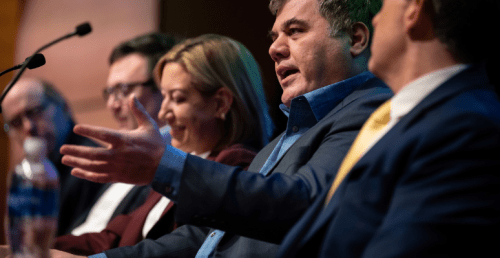
7th Annual Peace and War Summit
March 23-24, 2026
Africa's Strategic Crossroads: Conflict, Governance, and Great Power Rivalry
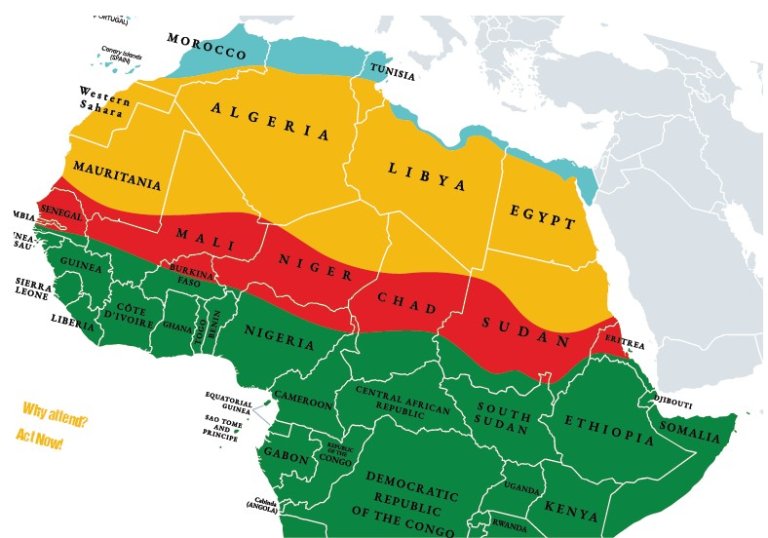
The 7th Peace and War Summit at Norwich University will bring together scholars, policymakers, military professionals, and students to explore the evolving dynamics of conflict, governance, and great power rivalry across Africa. This year’s summit will address a broad spectrum of interrelated issues shaping the continent’s stability and development. Topics include ongoing intrastate and interstate conflicts; the rise of transnational terrorist networks; and the persistent challenges of corruption and weak governance.
The summit will also examine the profound effects of climate change and migration, economic development, human rights violations, and public health crises on regional security. Finally, it will consider the expanding geopolitical influence of China and Russia, alongside U.S. engagement and policy toward Africa. Through interdisciplinary dialogue and critical analysis, the Summit aims to foster deeper understanding and generate innovative ideas for advancing sustainable peace and security across the continent.
Questions? Email Dr. Yangmo Ku, Associate Director, Peace & War Center at yku@norwich.edu.
Featured Guest Speakers
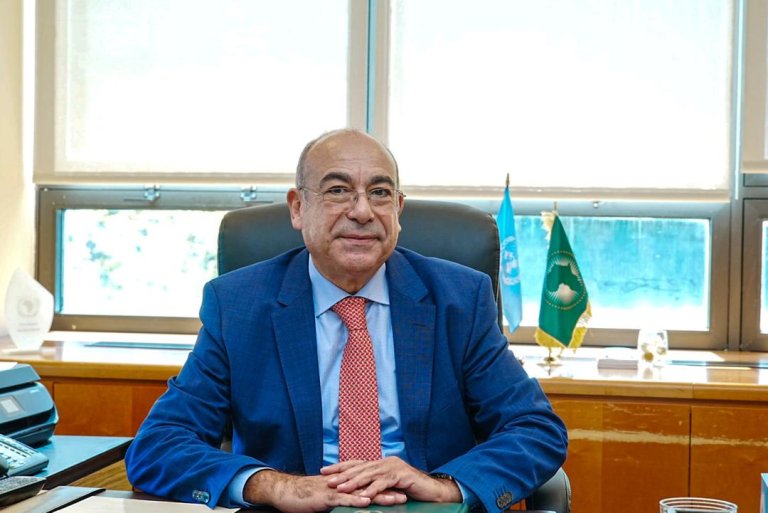
H.E. Ambassador Mohamed Fathi Ahmed Edrees is the Permanent Observer of the African Union to the United Nations, a position he has held since 2025. In this capacity, his mandate encompasses developing and strengthening institutional cooperation between the African Union and the United Nations system, coordinating the activities of the African Group at the United Nations including supporting the African members of the UN Security Council (A3), and advancing Common African Positions and AU Decisions in multilateral negotiations. He also contributes his expertise to the Board of the South Centre in Geneva and the Union for the Mediterranean Oversight Committee.
Prior to his appointment, H.E. Ambassador Edrees served as Egypt’s Permanent Representative to the United Nations in New York (2018–2021), during which time he chaired the Group of 77 and China (2018) and the UN Peacebuilding Commission (2021). His career in the Egyptian Ministry of Foreign Affairs spans more than three decades, with a focus on multilateral diplomacy, peace and security, and Africa and Middle East affairs. He served as Assistant Foreign Minister for African Affairs (2015–2018) and as Egypt’s Ambassador to Ethiopia, where he also represented Egypt at the African Union (2011–2015). His extensive field experience includes high-level postings at Egyptian Embassies in the United States, Syria, and Turkey, as well as serving as Deputy Permanent Representative to the UN in New York.
H.E. Ambassador Edrees is widely recognised for his contributions to international peace and security. In 2024, he was appointed by the UN Secretary-General to the Group of Eminent Persons for the Review of the UN Peacebuilding Architecture, and he has served as a member of the UN Secretary-General’s Advisory Group for the Peacebuilding Fund since 2022.
Before his transition into diplomacy, H.E. Ambassador Edrees practised medicine as a Resident Doctor for the Egyptian Ministry of Health. He joined the Egyptian Ministry of Foreign Affairs in 1987. In addition to Arabic, he speaks fluent English and German.
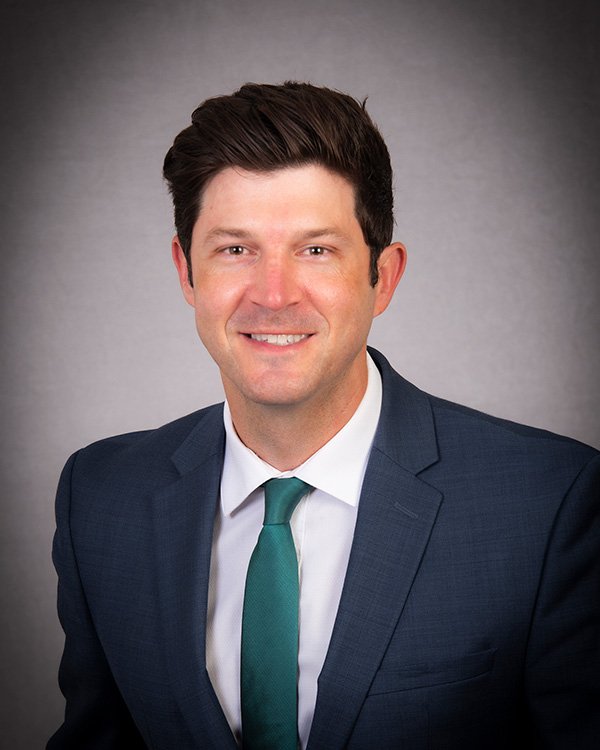
Christopher M. Faulkner is an assistant professor of national security affairs in the College of Distance Education at the U.S. Naval War College, where he teaches courses on foreign policy analysis, international security, and irregular warfare. His research examines the behavior of militant groups, private military and security companies, and civil–military relations, with a particular focus on Russian mercenary activity and external security assistance in Africa. He has published widely in leading international security and international relations journals and regularly contributes to outlets such as Foreign Policy, Foreign Affairs, and the Modern War Institute, among others. He is the co-author of the forthcoming book Moscow’s Mercenaries: The Rise and Fall of the Wagner Group (Columbia University Press, June 2026). He has presented and briefed his research to military, policy, and academic audiences, including the U.S. Army's 3rd Special Forces Group, the Combating Terrorism Center at West Point, the Brookings Institution, the Council on Foreign Relations, and the United States Institute of Peace.
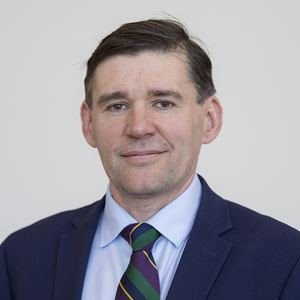
Dr. Vitaly Kozyrev is an expert in comparative politics, strategic studies, and Eurasian foreign policy. His major interests are great power politics, East-West relations, international conflict, and the political economy of regionalism and regional integration. In 2014–19, he was an Asia Studies Fellow at the East-West Center, Washington, a senior fellow at the National University of Singapore, and also served as a senior fellow at the Davis Center for Russian and Eurasian Studies at Harvard University. He was a visiting professor at the European Studies Council at Yale University’s MacMillan Center for International and Area Studies. He also taught at Amherst College, the University of Delaware, Moscow State University, and at several universities in China and Taiwan. At present, he is a professor of political science and international studies at Endicott College in Beverly, Massachusetts. He is also affiliated with the Fairbank Center for Chinese Studies at Harvard University as an associate in research.
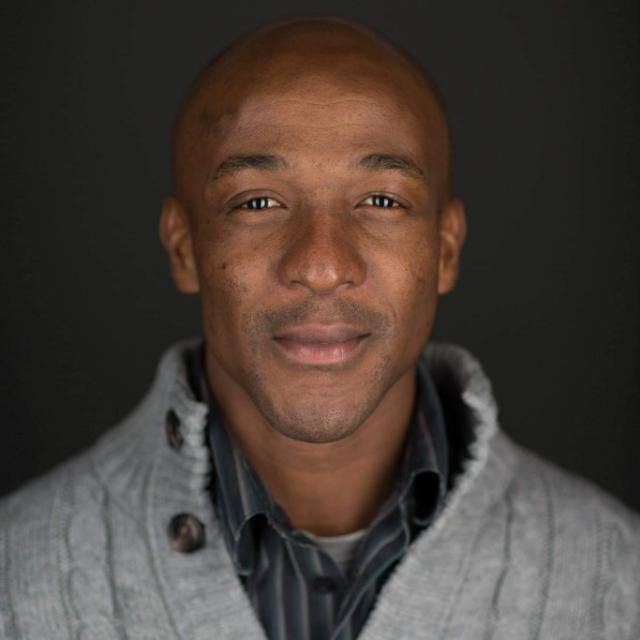
Fadji Kumapley is the founder of Famous Rivers Africa Group, an African defense advisory venture. He previously served in various assignments during his 20-year U.S. Army career, including combat deployments to Iraq and operational and strategic tours at U.S. Southern Command (SOUTHCOM), U.S. Central Command (CENTCOM), U.S. Africa Command (AFRICOM), and in the Office of the Secretary of Defense for Policy on Africa. As a decade-long U.S. Army foreign area officer (FAO) focused on sub-Saharan Africa, Kumapley completed diplomatic assignments at U.S. embassies in Cameroon, Niger, and Guinea. A major highlight of his Army career was serving as a speechwriter for the CENTCOM commander, Gen. Kenneth (Frank) McKenzie.
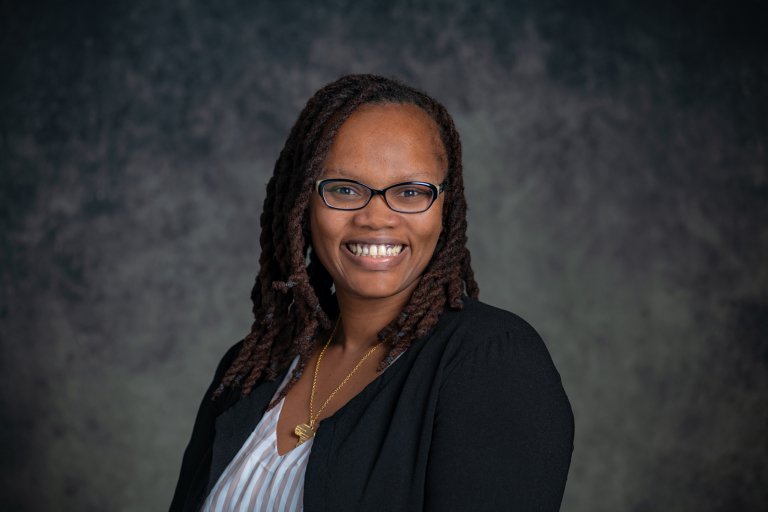
Claudine Kuradusenge-McLeod is a Rwandan scholar and 2023 Harry Frank Guggenheim Distinguished Scholar whose work sits at the intersection of genocide studies, conflict analysis and resolution, and diaspora studies. Her research examines how narratives of mass violence, transnationalism, and identity shape diasporic experiences in the United States and Europe, with particular attention to historical trauma and identity politics. Her first book, Narratives of Victimhood and Perpetration: The Struggle of Bosnian and Rwandan Diaspora Communities in the United States, offers a comparative analysis of survival narratives and contested identities within Bosnian and Rwandan diaspora communities. Her scholarship has appeared in leading journals, including Journal of Genocide Research; Genocide Studies and Prevention: An International Journal; Diaspora: A Journal of Transnational Studies; The International Journal of Transitional Justice; and International Studies Review.
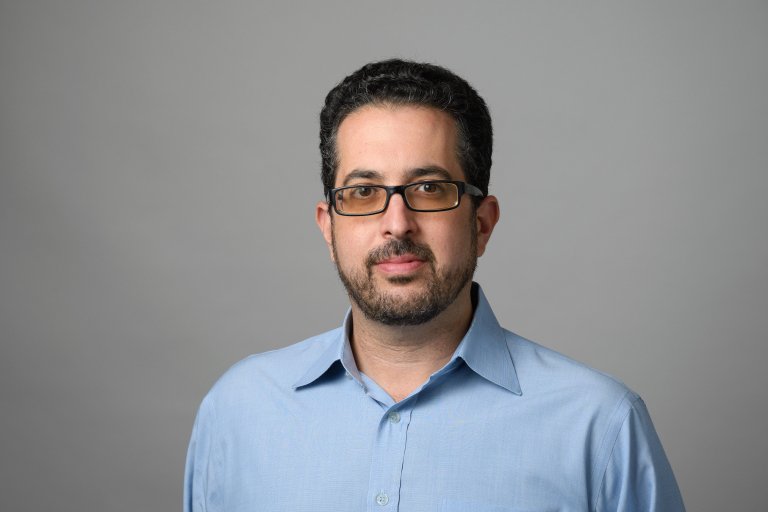
Yonatan L. Morse is an associate professor of political science at the University of Connecticut and a previous Andrew Carnegie Fellow (2020–2024). Dr. Morse’s research concerns institutional development and regime outcomes in sub-Saharan Africa, with an emphasis on mixed-methods research and the qualitative case-study tradition. He is currently completing a book manuscript titled Discovering Welfare: The Politics of Social Protection in Africa, which investigates the political and historical roots of new efforts to expand pensions, health insurance, and cash transfers in Africa. His previous book, How Autocrats Compete: Parties, Patrons and Unfair Elections in Africa (Cambridge University Press, 2019), examined the phenomenon of electoral authoritarianism in Africa.
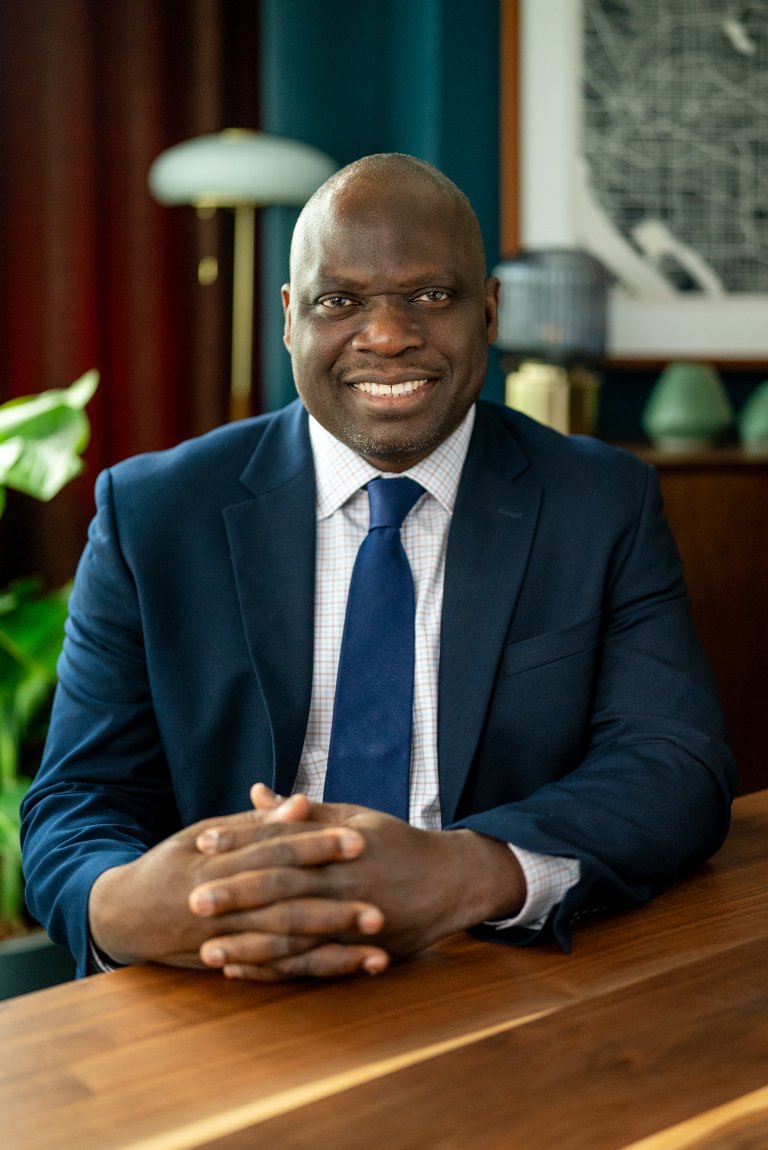
Ebenezer Obadare is a Douglas Dillon Senior Fellow for Africa Studies at the Council on Foreign Relations (CFR), Washington, D.C., and a fellow at the University of South Africa’s Institute of Theology. Before joining CFR, he was a professor of sociology at the University of Kansas, Lawrence. Obadare is the author of numerous works on civil society and the state, and religion and politics in Africa, including, most recently, Pastoral Power, Clerical State: Pentecostalism, Gender, and Sexuality in Nigeria (University of Notre Dame Press, 2022). He has written for Foreign Affairs, The Wall Street Journal, Foreign Policy, The National Interest, The Free Press, and The Globe and Mail, among others. He was editor of the Journal of Modern African Studies and is a contributing editor of Current History. His forthcoming book, The Nigerian Paradox, will be published by Oxford University Press.
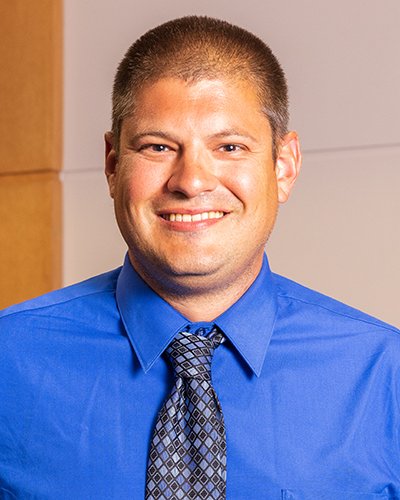
Dr. Joshua Regan is an assistant professor of criminal justice and criminology at Western New England University. His research primarily focuses on failed states, terrorism, contemporary maritime piracy, border security, and patterns of criminal behavior in declining urban neighborhoods. His research has been published in several peer-reviewed journals and presented throughout North America and Europe. Regan completed his undergraduate studies at the University of Connecticut, earning a bachelor’s degree in geography and political science in 2007. Two years later, he earned a master’s degree in geography from UConn. He then completed a second master’s degree in national security in 2010 from the University of New Haven, prior to his acceptance into their doctoral program. In 2018, Regan graduated from the University of New Haven with a doctoral degree in criminal justice.
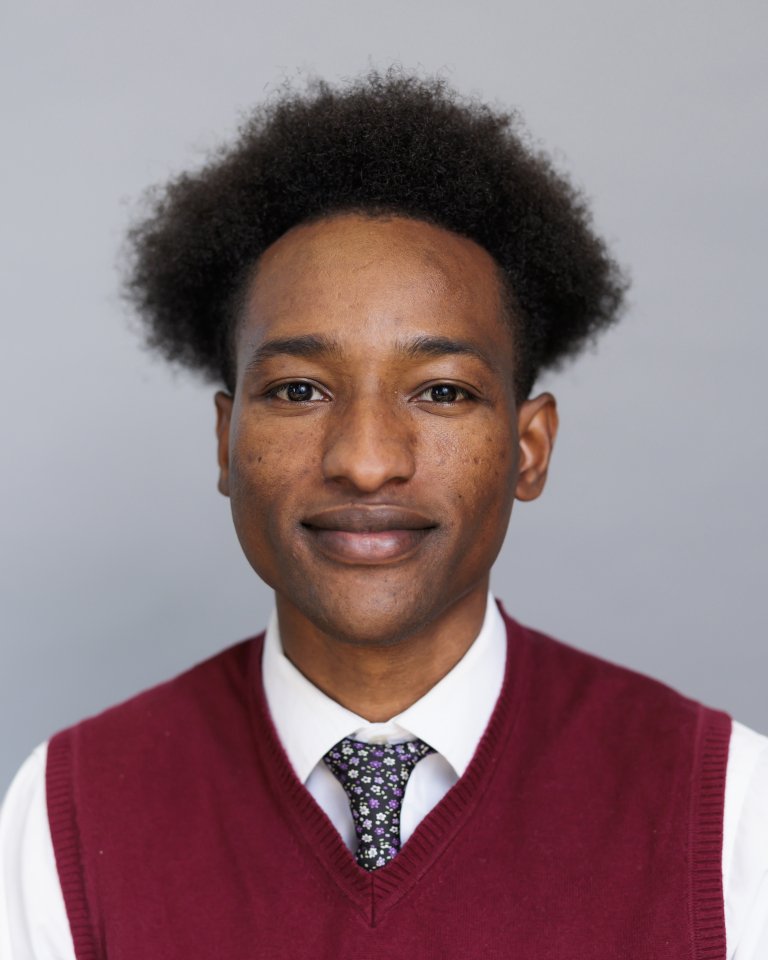
Abdourrachid (Rachid) Sow is a global education professional and political science scholar specializing in conflict prevention, human security, and international engagement. Originally from Côte d’Ivoire, he brings a transnational perspective shaped by personal experiences and work across West Africa and the United States. Rachid holds a Master of Arts in International Negotiation and Conflict Resolution from The Fletcher School of Law and Diplomacy at Tufts University and a Bachelor of Arts in International/Global Studies from Endicott College. His academic and professional interests include civilian protection, gender and political violence, humanitarian policy, and human rights advocacy. He currently serves as Program Coordinator in the Global Education Department at Endicott College, where he supports institutional internationalization and the academic and cultural integration of international students, particularly from Central and South Asia. An experienced educator, Rachid has taught in both West Africa and the United States, advancing cross-cultural competence and global leadership. Fluent in French, English, and Bambara, with working proficiency in Spanish, he is committed to advancing inclusive global education and strengthening institutions that promote peace and human dignity.
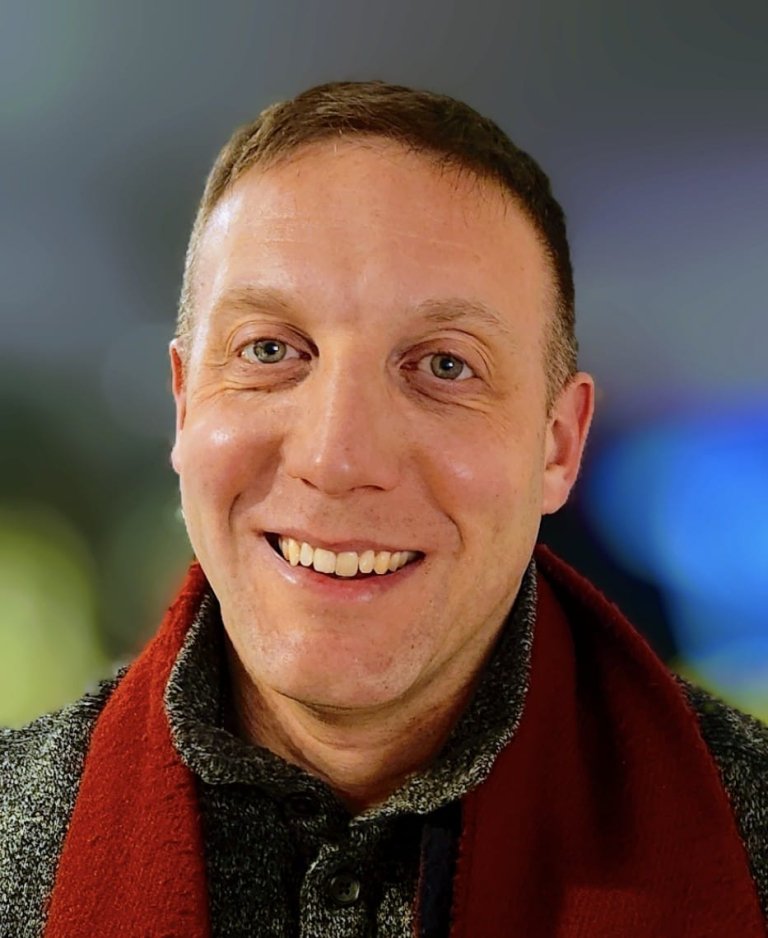
Robert J. VandenBerg, Ph.D., is a sociologist and criminologist specializing in the study of political violence and a senior fellow at the John and Mary Frances Patton Peace and War Center. VandenBerg previously taught on the faculty at Norwich University, where he oversaw the creation of the academic program in intelligence and crime analysis. His research has appeared in publications such as the Journal of Peace and War Studies, Terrorism and Political Violence, and the International Journal of Sociology.
Schedule
This event takes place in Mack Hall Auditorium.
-
March 23
Welcome Remarks and Keynote Address
9-9:50 a.m.Welcome Remarks: Dr. Lea M. Williams, Provost and Dean of the Faculty
Keynote remarks: Ambassador Mohamed Fathi Ahmed Edrees, Permanent Observer of the African Union to the United Nations
Panel Session I
10-10:50 a.m.Student Moderators: David Nziza and Holly Smith
Presenters:
Dr. Christopher Faulkner
Delegating Force: Private Military and Security Companies and the Evolving Landscape of Security Force Assistance in Africa
Dr. Ebenezer Obadare
Terrorism and Contemporary Geopolitics: West Africa and BeyondPanel Session II
11-11:50 a.m.Student Moderators: Godfrey Delaney and Emma Drake
Presenters:
Dr. Yonatan Morse
The Electoral and Historical Roots of Healthcare Reform in Africa: Comparing Ghana and Senegal
Dr. Claudine Kuradusenge-McLeod
Peace Without Trust: How Diaspora Politics Impacted Understanding of the DRC-Rwanda-U.S. Peace AgreementPanel Session III
1-1:50 p.m.Student Moderators: Jasmin Sackey and Austin Garcia
Presenters:
Mr. Fadji Kumapley
Factors and Developments Shaping Great Power Competition in Africa
Dr. Vitaly Kozyrev and Mr. Rachid Sow
In Search of New Security and Modernization Eco Systems: the Role of China and Russia in West AfricaPanel Session IV
2-2:50 p.m.Student Moderators: Stephanie Unuane and Hector Aponte
Presenters:
Dr. Josh Regan
Declining Economics, Illegal Fishing, and State Weakness: The Three-Pillar Threat to Somalia’s Piracy Problem
Dr. Robert VandenBerg
Preparing for an African FutureStudent Panel Session I
3-4:30 p.m.Moderator:
Dr. Steven Sodergren
Discussants:
Dr. Cevat DarginPresenters:
Tom Besser
Africa on the Periphery: America's New Mercantile Realism and Its Impact on African Geopolitics
Zaleigh Hornsey
ISIS and the Exploitation of Islam
Kristin Sanderson
Holodomor: Crimes of Cultural Genocide
This event takes place in Mack Hall Auditorium.
-
March 24
Roundtable Discussion I: Challenges and Complexities in Africa
9:30-10:45 a.m.Chair: COL (Ret.) William Lyons
Panelists:
Claudine Kuradusenge-McLeaod, Yonatan Morse, Ebenezer Obadare, Rachid SowRoundtable Discussion II: Great Power Rivalry and U.S. Strategy Toward Africa
11 a.m.-12:15 p.m.Chair: Dr. Rowland Brucken
Panelists:
Christopher Faulkner, Vitaly Kozyrev, Fadji Kumapley, Joshua Regan, Robert VandenBerg

The 2025 edition of the Journal of Peace and War Studies (JPWS)
The 2025 issue of the JPWS gives special focus to the theme, “Latin America in the 21st Century: Retreat or Progress?”.
All Summits
March 17 to 18, 2025
-
Latin America in the 21st Century: Retreat or Progress?
The international community is confronted with numerous significant challenges, including military conflicts in Eastern Europe and the Middle East, an emerging new Cold War between democracy and authoritarianism, natural disasters prompted by climate change, and economic instability triggered by unstable geopolitical conditions.
Along with these global challenges, Latin America is not immune from multiple serious problems. Many Latin Americans who suffer from perilous domestic circumstances due to the omnipresence of drug cartels, a near-constant barrage of gang violence, and volatile political and economic situations seek to immigrate to the United States. Such an endeavor is undertaken in a variety of extra-legal capacities that result in grim human rights violations and tensions between the U.S. and Latin American nations (as well as internally among U.S. communities). Countries like Venezuela, Haiti, and El Salvador are experiencing chaotic domestic political conditions due to rampant corruption at the highest levels that has trickled down to infect nearly the entire populace.
Beyond cartels, gangs, and corruption, the size of the earth’s lungs, the Amazon rainforest in Brazil is rapidly diminishing due to unconstrained economic development plans and the monetization of displacement. Furthermore, while the U.S. has long maintained a dominant position in Latin America since the Monroe Doctrine was declared in 1823, China and Russia seek to enhance their political and economic influence throughout the region. With such realities in mind, Norwich University’s 6th Peace and War Summit thoroughly addresses the significant challenges that Latin American nations have faced by way of scholarly presentations and discussions and the involvement in such conversations of Vermont-based organizations that work with the Vermont Latin American community.
March 18, 2024
-
War, Memory, and Reconciliation
Recently, a series of conflicts in Europe and the Middle East have erupted, bringing with them devastating human and economic tolls. While the international community has worked to prevent these regional conflicts from spilling over into wider, global incidents, they’ve paid little attention to the human and political consequences that will linger as traumatic memories for years and decades to come. Norwich University’s 5th annual Peace and War Summit will explore wartime memories, and how nations can reconcile these traumatic events to better understand how the aftermath of a nation’s wartime experiences affects their citizens, infrastructure, and political climate long after the guns have been silenced.
March 20 to 21, 2023
WATCH DAY ONE WATCH DAY TWO
-
Peace in the Middle East: An Impossible Mission?
The world community is confronted with a series of significant challenges. These challenges include escalating great power rivalries between the U.S. and China/Russia, concerns over nuclear war, economic instability, climate change, and pandemics. In this global context, the Middle East is engulfed in turbulent geopolitical dynamics, such as the power vacuum caused by U.S. disengagements in the region as well as the intensification of sectarian competition between Iran, its proxies and Israel and Sunni Arab countries. Thus, the Middle Eastern regional order remains complex and unstable while facing the lingering Israeli-Palestinian conflict, unstable economic conditions, and tumultuous civil war-like conditions in Syria, Libya, and Yemen. Norwich University’s 4th Peace and War Summit thoroughly addressed these challenges in the Middle East to advance our understanding of the region and outline effective solutions to construct a more peaceful regional order.
March 21 to 22, 2022
WATCH DAY ONE WATCH DAY TWO
-
Deciphering the Russian Riddle: National Interests & Geopolitical Competition
The Peace and War Summit examines significant international issues in order to recommend viable solutions. The Summit is a two-day event that will host government officials, prominent scholars, policy experts at Norwich University—America’s oldest private military college, located in Vermont. The culmination of the event is the publication of the Journal of Peace and War Studies. The 3rd Summit, March 21-22, 2022, scrutinized various challenges deriving from Russia, which range from its territorial intrusion into Ukraine and Georgia to intervention into Syria to growing military partnership with China to its cyber-attacks and disinformation campaigns.
October 4 to 8, 2021
-
ISOMA Special Edition: Preparing Military Leaders to Effectively Resolve 21st Century Challenges
The International Symposium of Military Academies (ISOMA) is a biennial international exchange forum focused on the training of young military officers and planned under the guidance of the International Association of Military Academies. The event included representatives from a variety of nations and explore meeting civil-military challenges through military leader relationships; developing military leaders’ capacity beyond traditional conceptions of land, sea and air; and leadership, ethics and educational challenges under the theme of Preparing Military Leaders to Effectively Resolve 21st Century Security Challenges. Norwich University was honored to be the first institution in the United States to host the symposium.
April 15 to 16, 2020
-
On the Path to Conflict? Scrutinizing US-China Rivalry
The Peace and War Summit examines significant international issues in order to recommend viable solutions. The Summit is a two-day event that hosts government officials, prominent scholars, policy experts at Norwich University—America’s oldest private military college, located in Vermont. The culmination of the event is the publication of the Journal of Peace and War Studies. The 2nd Summit, April 15-16, 2020, dealt with the rivalry between the United States and China, a rapidly rising challenger in world politics. Specifically, the Summit highlighted challenges derived from military/security, economic, and technological angles.