
Serving the Students
The president of the Student Government Association reflects on the role the organization plays in day-to-day campus life.
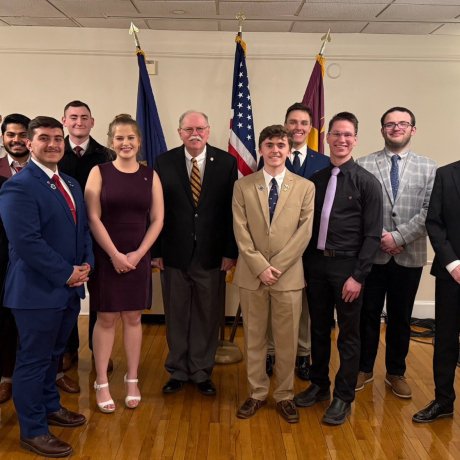
The Norwich University Student Government Association (NUSGA) is, unfortunately, often misunderstood or overlooked as a resource for students on campus. While few students outside the NUSGA have directly engaged with the NUSGA, it is reasonable to ask what the NUSGA is, who is involved, and what we do.
Firstly, it is worth noting that the student government at Norwich is unique. The Corps of Cadets has its own leadership structure dedicated to addressing cadet-specific concerns, and civilian students can direct many residential concerns to the resident advisors (RAs), leaving open the question of what the NUSGA does. Crucially, though, the NUSGA serves not only to bridge gaps outside the Corps and RA's scope, but also to evaluate broader student experiences.
For the Students, By the Students
As mentioned earlier, the student government serves to bridge gaps that neither the Corps nor the RAs can address directly. One of the most important elements in this gap is academics, which underlies Norwich’s foundation. Students may experience academic concerns, such as where to address issues with faculty decisions, how to access certain materials or resources, or how to navigate online platforms like Brightspace, the learning management system.
Additionally, the Student Government strives to improve and sustain a high quality of life on campus. In recent years, the student government has worked to get health products into campus-wide restrooms and has collaborated with the campus food service provider, Sodexo, to enhance food services across the board and to continue feedback measures so that students can again address concerns or provide suggestions.
Leading from the Front
The student government is divided into two groups: the Senate and the executive branch. The Senate comprises at most eight senators from the sophomore, junior, and senior classes, with at least three seats reserved for cadets and three for civilians in each class year. The Senate has also recently approved allowing first-year students, including Rooks, to be voted into the Senate following the fall midterm mark. Senators in recent years have included regimental commanders, XO’s [executive officers], cadre, and Rooks, as well as RAs, student-athletes, and fifth-year students.
The executive branch contains at least three elected positions: the president, the vice president, and the treasurer. The president is the face of the NUSGA, overseeing all NUSGA activities, functions, and communications, especially with other campus groups.
Serving a Purpose
Importantly, without a student government, students would have no central or overarching group dedicated to serving them and their needs. Occasionally, the student government will host events, such as providing snacks during finals week and hot chocolate during the winter season, but most of the student government’s functions and work are unseen and occur in internal discussions and campus-wide meetings.
The student government primarily communicates internally during Senate meetings, where senators and executive branch members discuss relevant circumstances affecting students and how the student government can respond or support them. Oftentimes, this results in NUSGA members, both in the Senate and executive branch, meeting with faculty, staff, and administrators. This may involve meetings with Facility Operations to discuss campus buildings, such as the fitness center, or operations like Sodexo, and how to ensure that student concerns or suggestions are addressed. Oftentimes, the NUSGA may meet with the dean of students, the commandant, the provost, or even the president to discuss student concerns or to disseminate important information to students.
Opportunities for Growth
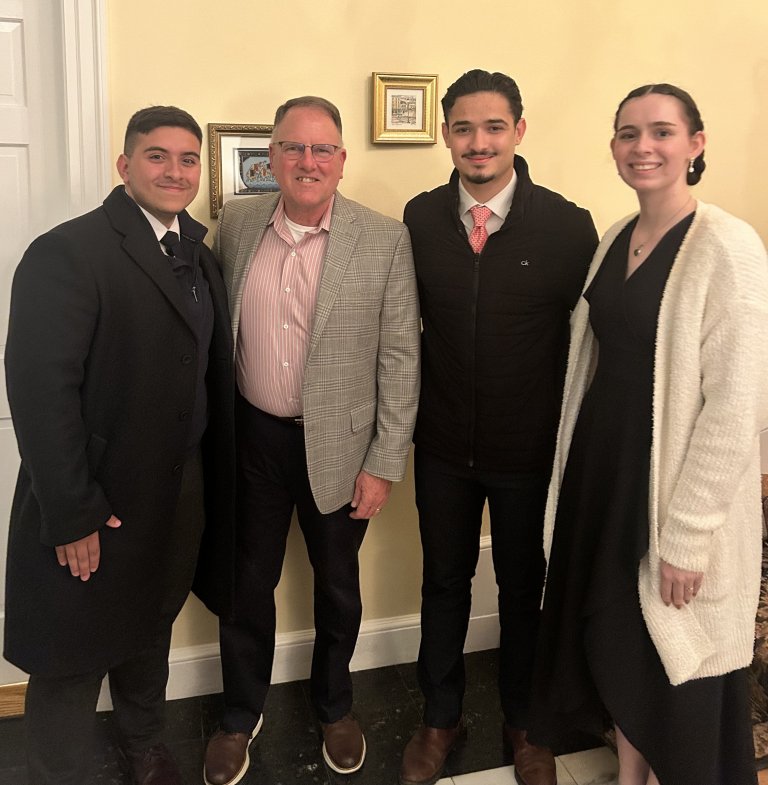
In the NUSGA for the past four years, I’ve served as a senator, the senate chair, the vice president, and this year, the president, and each role has brought about unique and rewarding experiences that have shaped my understanding of what service and leadership mean. I have been fortunate enough to been invited to meetings with various administrators, faculty, and staff across these four years, and by these frequent and meaningful discussions, other opportunities and experiences have been offered that I otherwise would never have considered or known about. Additionally, while Norwich has not attended one in recent years, the NUSGA offers the opportunity to attend national SGA conferences to network and learn about varying systems and structures that I hope our students can begin attending in future years.
Most importantly, the NUSGA offers a unique leadership opportunity that pushes members to step outside their comfort zones. As NUSGA members, in order to adequately serve the student body, we have to reach out to the groups and students we often never interact with, and listen to what challenges and issues they are facing so that we can begin trying to address them. The day-to-day tasks or activities in NUSGA are likely not the most appealing compared to some other opportunities on campus, but likewise, it is one of the few that can claim to advocate for student voices and strive to make campus a better and more enjoyable place.
Read More
What Lasts: Stories from Norwich Homecoming
By Corrina Snow
At Norwich University’s 2026 Homecoming, alumni returned to Northfield to reconnect, share memories, and celebrate relationships that extend long after graduation.
6 min read
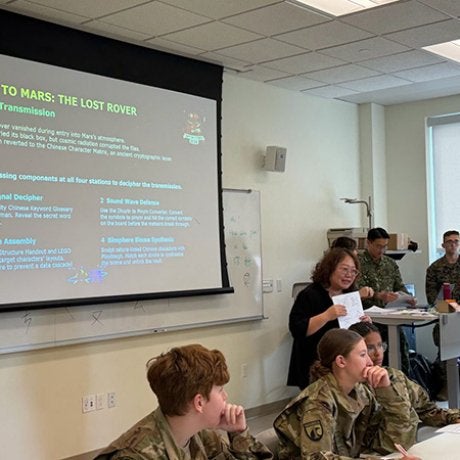
Mars Missions Bring Cybersecurity to Life at Day of Cyber
By Dr. W. Travis Morris
Nearly 300 students and educators explored cybersecurity, robotics and teamwork through hands-on adventures.
3 min read
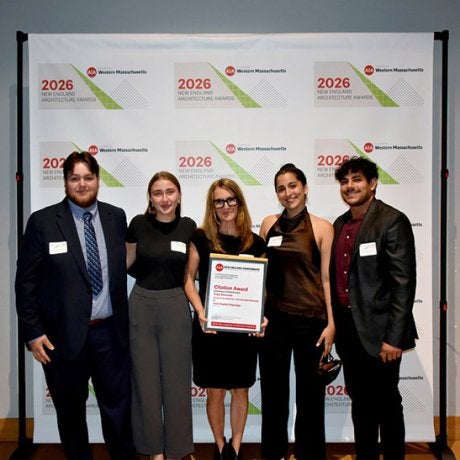
Norwich Design+Build Studio Wins Regional Architecture Award for Montpelier Playscape
By NU Marketing & Communications Office
American Institute of Architects New England honors student-built Little Rapids Playscape with a 2026 Citation Award.
2 min read