Norwich Students Compete in National Cybersecurity Competition
The Cyber Leader Development Program's lab coordinator and "Capture the Flag" coach reflects on the first-semester's competitive success.
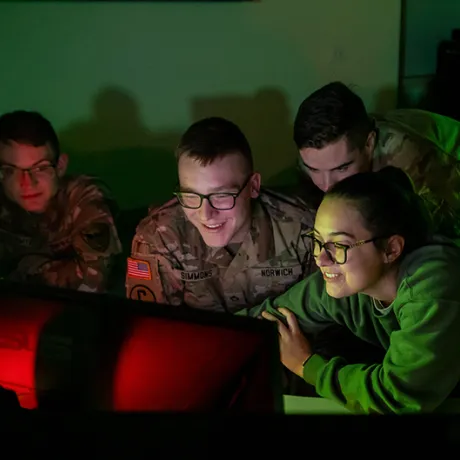
Twenty-two students from the Cyber Leader Development Program and Unit 1819 participated in the National Cyber League Fall Team Open during the weekend of Nov. 7-9. “Capture the Flag” competitions provide teams of hacker's challenges to solve together as a group. Submissions for challenges create points, with the objective to accrue the most points before the competition ends.
A total of 4214 teams from across the United States competed. Norwich University’s 22 students from were divided into 3 teams. The top team from Norwich University placed 92nd, an impressive finish in the top 2% of the competing teams.
Developing Cyber Leaders
Like other technical fields, cybersecurity requires problem solving, creativity, and teamwork to keep our information and assets secure. Capture the Flag competitions present a series of challenges for students to solve together. Challenges can include cryptography, web application security, digital forensics, OSINT [open source intelligence], and password cracking.
“I found the OSINT challenges to be just the right amount of difficult," says Michael K. Rupe. "There was often little to no information, besides a sparse or confusing photo to go off of, but with a little intuition and clever use of available tools, the team was able to push through and find the answers we were looking for.”
Password cracking is a computationally expensive activity requiring a large computer to run very intensively for what could be long periods of time.
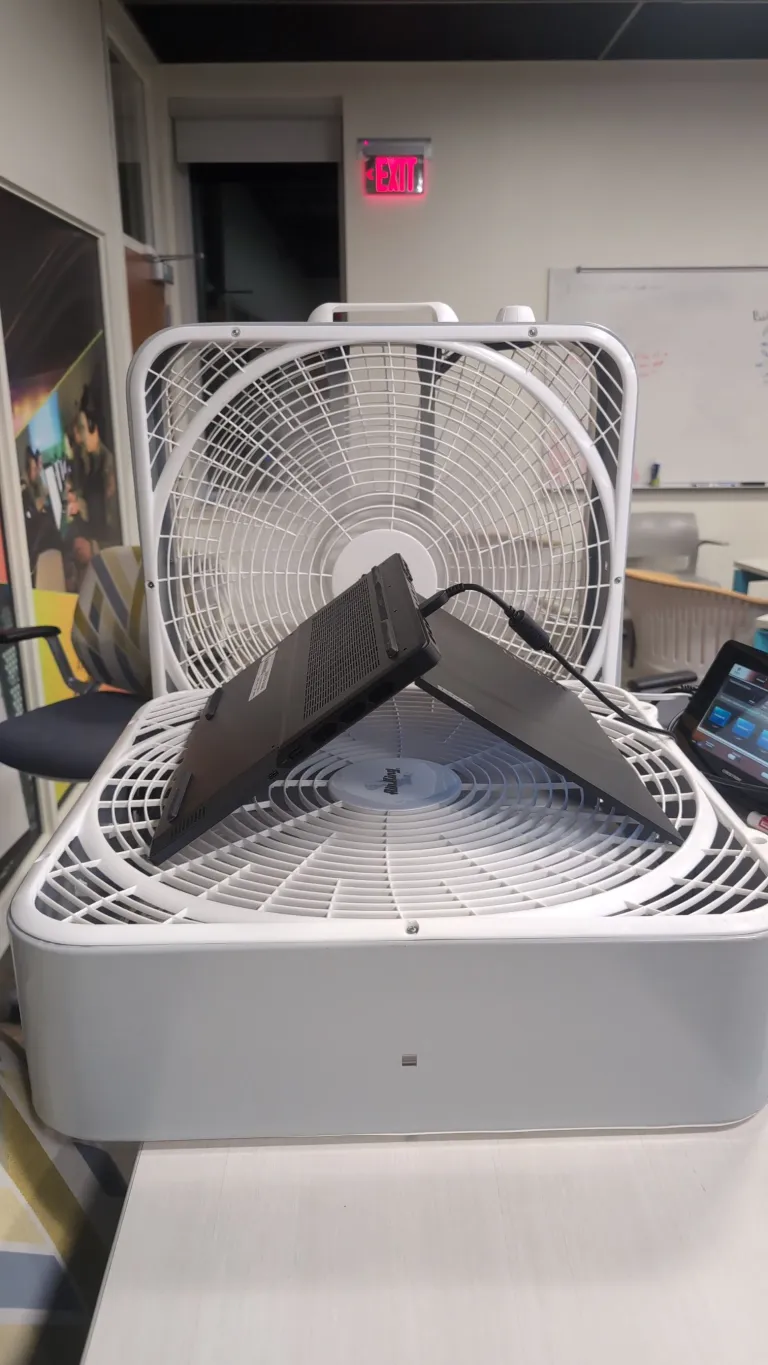
“Initially I had no idea how I was going to keep my laptop from cooking itself during the password-cracking challenges," says Rupe. "Then I found two box fans in the classroom, propped the laptop on them, and just went with it. Hacking tends to reward the weird, improvised solutions anyway.”
Read More
Learning in the Field
By Dr. Michael Gangone
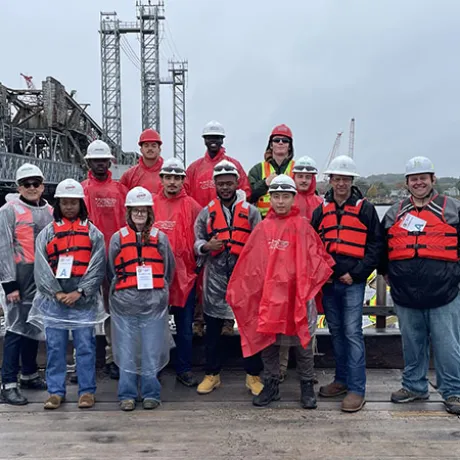
Engineering students take their learning into the field as they visit major infrastructure projects.
2 min read
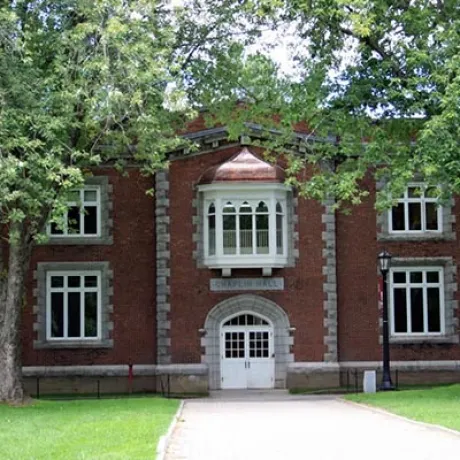
Architecture in Action: Students Present During Homecoming
By NU Marketing & Communications Office
Architecture students present their work during Homecoming, one of the University's busiest weekends on campus.
2 min read
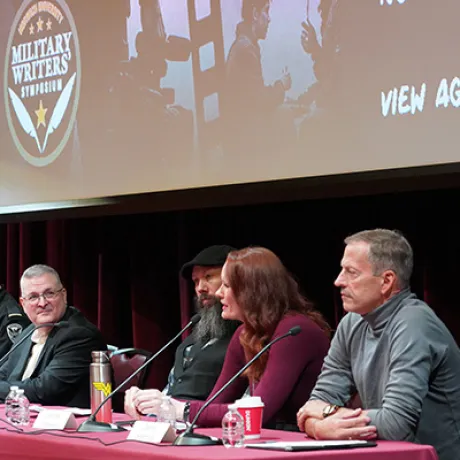
2026 Military Writers’ Symposium: How Cinema Shapes Our Perception of War
By Zack Bennett
Two days of programming on media and war features student research, expert panels, and a look at Darby’s Rangers.
3 min read