
From Vermont to Berlin: Viewing Healthcare Through Global Experience
Norwich students visit a hospital in Germany as they are exposed to hands-on experiences.
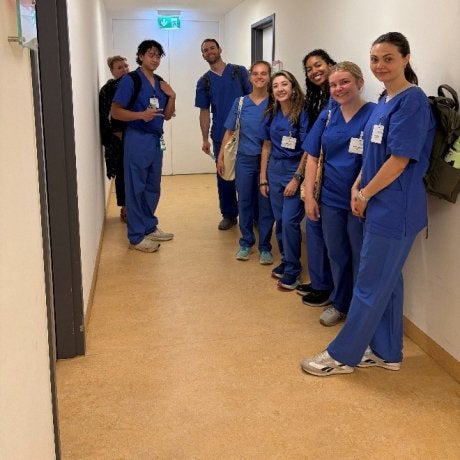
Our visit to Alexianer Krankenhaus Hedwigshöhe, a Catholic hospital in Berlin, Germany, offered a valuable opportunity to observe healthcare delivery across a wide range of clinical settings. During our time at Alexianer, we rotated through several units, including intensive care, oncology, adult day care, the emergency department, the operating room, orthopedic and gastrointestinal surgery, geriatrics, psychiatry, endoscopy, and substance use treatment.
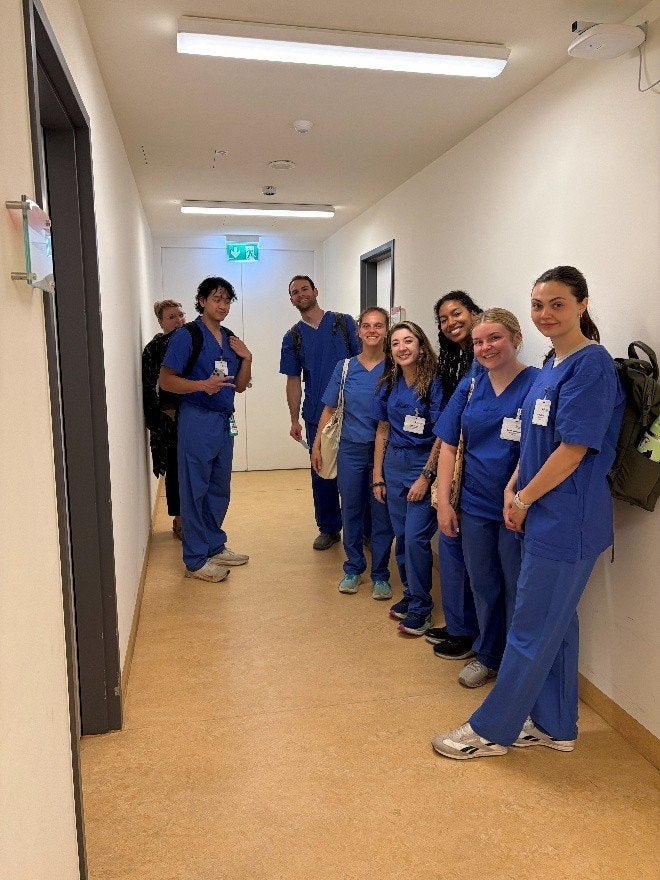
Our visit began with a presentation on the hospital's history and its evolution over time. Alexianer originated as a military field hospital in 1941. Following the war, it transitioned into a general care facility and later became part of a Catholic healthcare organization. Between 2009 and 2011, the hospital underwent a major expansion that enabled the development of new units and expanded services.
One of the most valuable aspects of this experience was the opportunity to learn how healthcare is practiced in Germany and to compare it with the healthcare system in the United States. Germany's universal healthcare system allows nearly all individuals to access care through public or private insurance. This was one of the most striking differences we observed compared to the U.S., where access to care often depends on insurance coverage, cost, and employment status. In Germany, there appeared to be a stronger emphasis on ensuring patients could receive needed care without the same financial barriers commonly experienced by patients in the U.S.
We also observed differences in the structure of nursing care and the composition of the healthcare team. While nurses in Germany play a central role in patient care, their scope of practice and responsibilities differed in some respects from nursing practice in the United States.
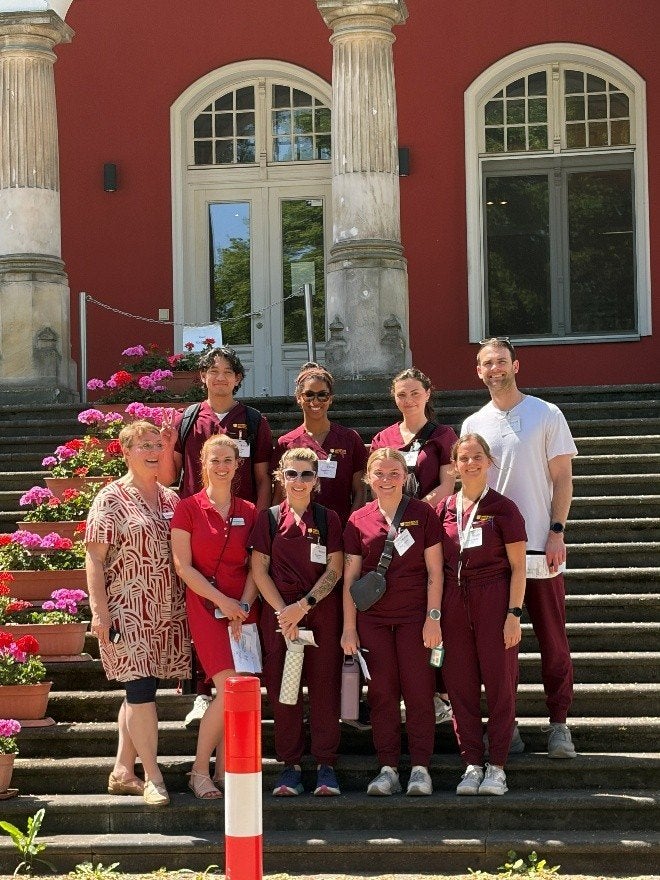
In the United States, nurses often perform many aspects of their patient care independently,
within their scope of practice. In Germany, we observed and were told, that physicians take the responsibility for many tasks that nurses often perform in the U.S. This created a different dynamic than we were used to. This comparison deepened our understanding of how nursing roles can vary depending on a country's healthcare system, culture, and available resources.
Our primary takeaway from this experience was that high-quality healthcare can be delivered through different models while still prioritizing patient-centered care, safety, and interdisciplinary collaboration. Observing care in Germany broadened our perspective and encouraged us to reflect on both the strengths and challenges of the U.S. healthcare system, while understanding why other countries provide care in the ways that they do, even if it may seem strange to us at first as outsiders. Ultimately, this experience reinforced the importance of accessibility, interdisciplinary teamwork, and viewing the patient as a whole person rather than focusing solely on their diagnosis.
Read More
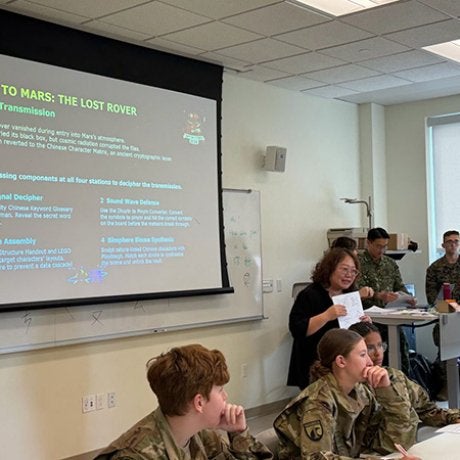
Mars Missions Bring Cybersecurity to Life at Day of Cyber
By Dr. W. Travis Morris
Nearly 300 students and educators explored cybersecurity, robotics and teamwork through hands-on adventures.
3 min read
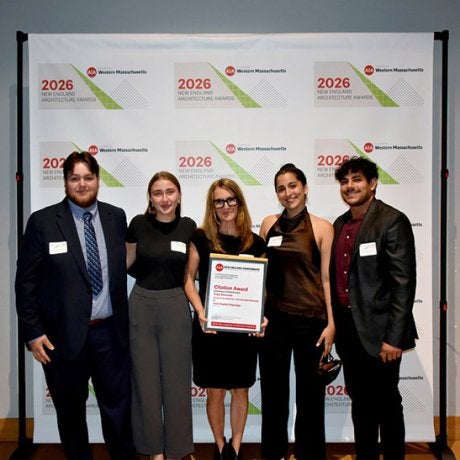
Norwich Design+Build Studio Wins Regional Architecture Award for Montpelier Playscape
By NU Marketing & Communications Office
American Institute of Architects New England honors student-built Little Rapids Playscape with a 2026 Citation Award.
2 min read

Norwich hosts hundreds of Vermont students for 'Day of Cyber'
By MyChamplainValley
This link takes the readers to an external article.