
Two Sides of Berlin: What Refugee Camps Taught Us About Community and Care
Nursing students learn more than just academics as they immerse themselves in the German healthcare system among a refugee population.
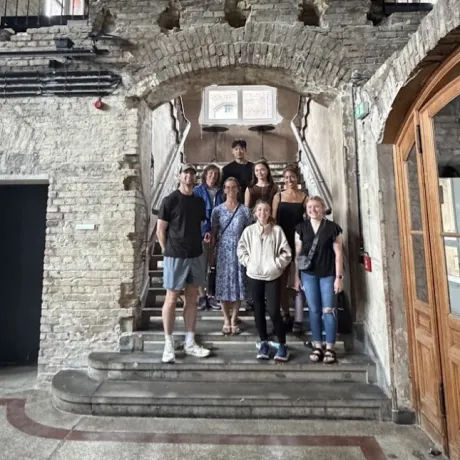
Berlin, Germany receives refugees and asylum seekers from over 100 different nations globally each year, all looking to call Berlin their next home. When our nursing class traveled to Berlin to learn about the refugee population, we had already painted a picture of what we thought their living situation and care would be. After speaking to the staff of refugee camps directly, we found it was much more complicated than expected.
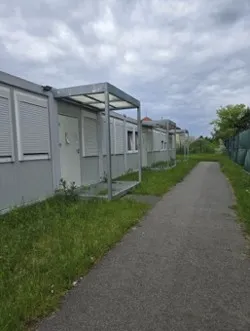
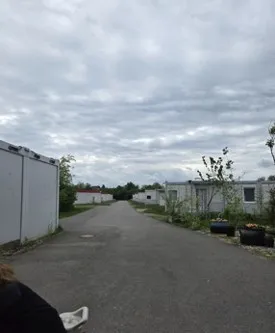
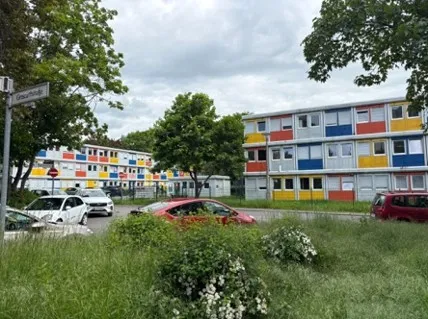
Metal shipping containers were repurposed and converted into apartment complexes. Shared kitchens and bathrooms offered limited privacy. A children's playroom was built for a dozen kids that somehow accommodated hundreds. These are a few of our observations of how refugees were living.
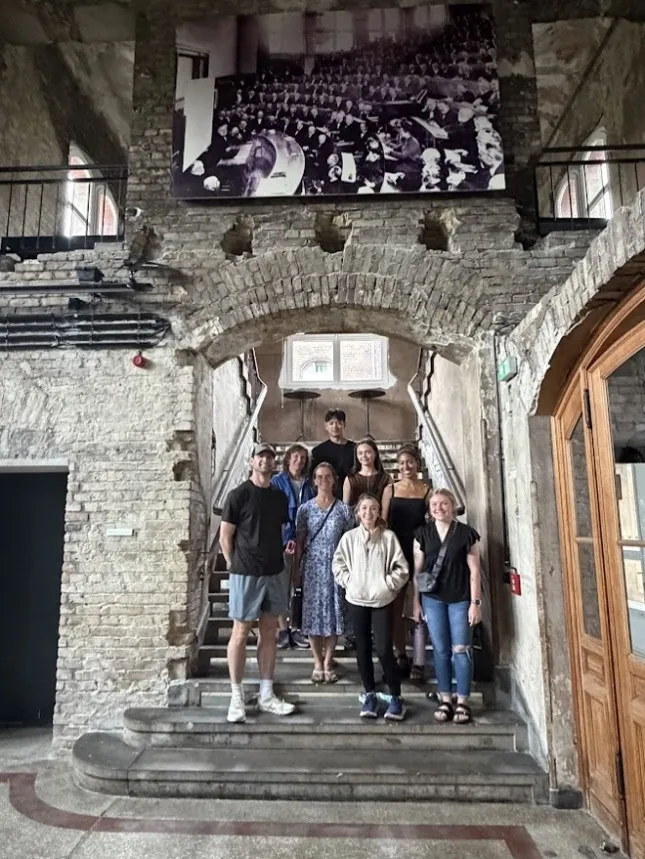
During our first week in Berlin, we spent time at Sigmund Freud University with Master of Public Health students and faculty where we learned how Germany's political and healthcare system tries to serve thousands of refugees and migrants who arrive each year. Fortunately, we didn't just read about it or sit in lectures, we actually visited the camps where refugees lived.
At initial reception centers, all asylum seekers are required to first stop here to register and wait for processing, which can take up to 18 months or more. At these shelters, families lived in small metal containers, four to eight people each, with no stoves and shared laundry. Meals came from a catering service that residents told us often made them sick. The children's room was tiny and crowded, built for about 15 kids while 150 resided there. There was also one psychiatrist that served over 600 people.
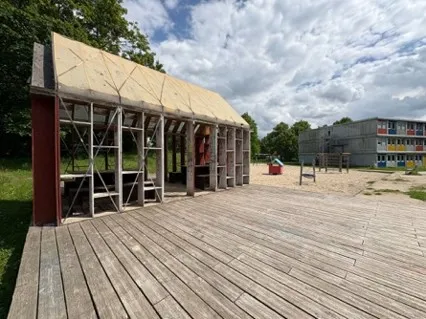
After their registration is processed, many asylum seekers are transferred from the initial reception center to a collective accommodation center where they typically have more freedom while their asylum application continues to be reviewed. This waiting period may last several months or multiple years. At this shelter, staff clearly poured their hearts into their work. They did their best to pair roommates by culture, offered German classes, held regular check-ins, and built playgrounds where kids kicked soccer balls and laughed. Some employees had been there for 10 years. "I can't see myself doing anything else," one told us. But the gaps remained. Healthcare was mostly limited to emergencies, and many refugees didn't even know they qualified for care. We were also told about refugee children who were bullied and faced violence in school.
What struck us most was the contrast. While neighbors surrounding the receiving center reportedly threw nails and trash where children played because of their opposition to refugees in their community, just miles away, Görlitzer Park was covered in murals reading "Refugees Welcome" and signs about inclusion and shared responsibility.
Berlin holds both real compassion and real struggle. This trip taught us that health is about more than just medicine. It's about dignity, access, and being seen. After traveling almost 4,000 miles to learn about this firsthand, we will make sure to carry these stories into every patient room we enter as future nurses.
Two Sides of Berlin: What Refugee Camps Taught Us About Community and Care
Read More
Learning in the Field
By Dr. Michael Gangone
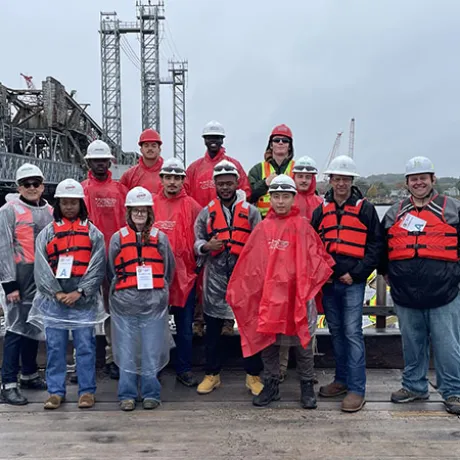
Engineering students take their learning into the field as they visit major infrastructure projects.
2 min read
Architecture in Action: Students Present During Homecoming
By NU Marketing & Communications Office
Architecture students present their work during Homecoming, one of the University's busiest weekends on campus.
2 min read
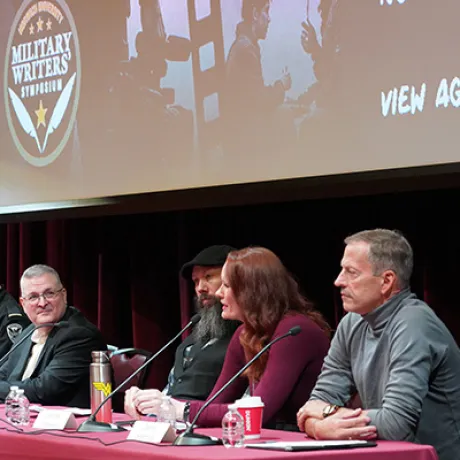
2026 Military Writers’ Symposium: How Cinema Shapes Our Perception of War
By Zack Bennett
Two days of programming on media and war features student research, expert panels, and a look at Darby’s Rangers.
3 min read