
Hunting for Pollinators of a Carnivorous Plant
A Norwich student gets outside during her summer research project through the Summer Research Fellowship program.

This summer, a Norwich University student spent months searching calcareous seep wetlands of Vermont and New Hampshire for something that can be surprisingly difficult to find: an insect visiting a flower.
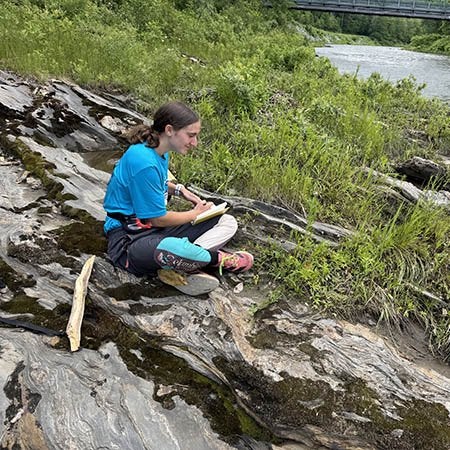
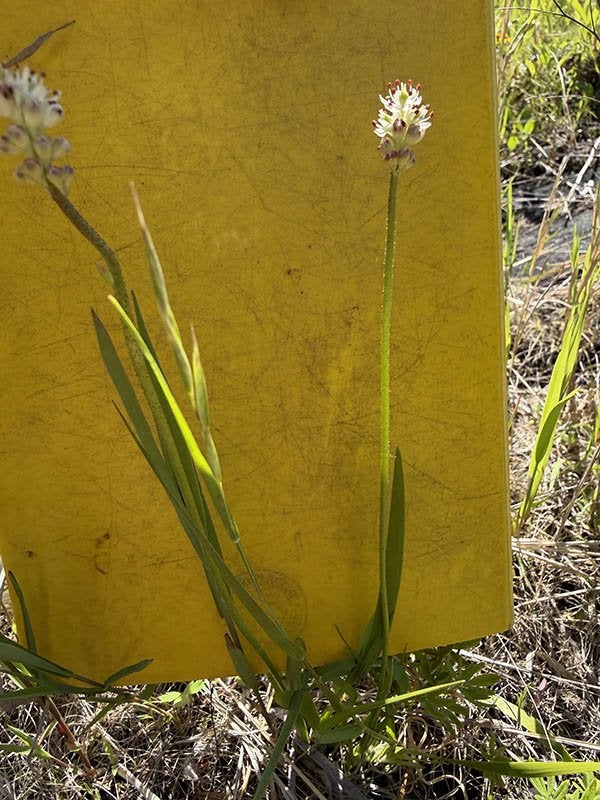
For Ellery Shertzer '29, a Norwich undergraduate researcher working with faculty member Dr. Lindsey Pett of the Department of Earth and Environmental Sciences, the search centered on Triantha glutinosa, or Eastern Sticky False Asphodel, a small and unusual wetland plant with an even more unusual secret.
Triantha belongs to a lineage of carnivorous plants that scientists only recognized as carnivorous within the past few years. Triantha captures prey via sticky trichomes on its flowering stalks, making it a particularly unusual member of the carnivorous plant world. Unlike better-known carnivorous plants such as pitcher plants and Venus flytraps, Triantha uses its flowering stalk rather than modified leaves to capture prey. That unusual arrangement raises an intriguing question: If a plant uses its flowering stalk to catch insects, how does it avoid interfering with the insects it needs for pollination?
That was the question behind Ellery's summer research project, “Identifying Pollinators and Visitation Patterns of the Carnivorous Plant Triantha glutinosa.” Supported through a Norwich University Summer Research Fellowship, Ellery worked with Pett from May through August surveying Triantha populations at calcareous seepages in Vermont and New Hampshire. The research team traveled to field sites, located and measured plants, documented insects interacting with flowers, collected observations and photographs, and worked with pollen samples in the laboratory.
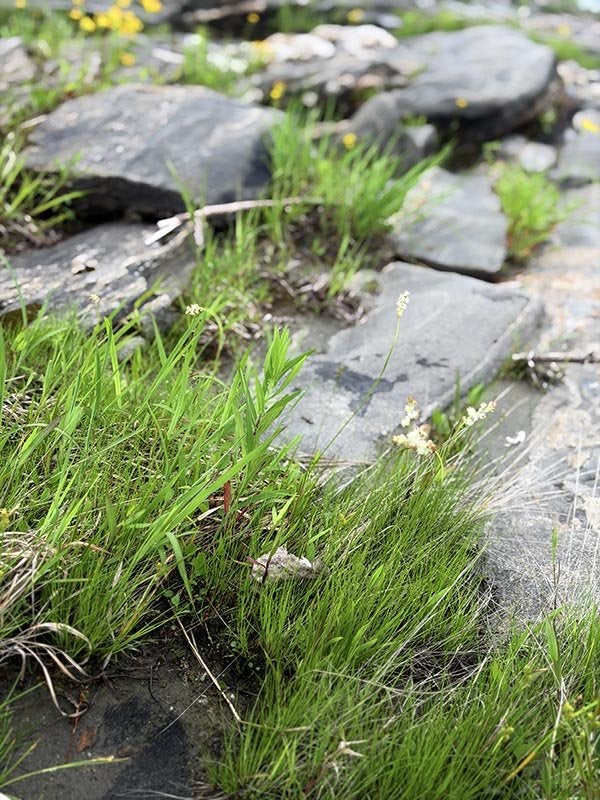
The fieldwork provided an opportunity to experience the different stages of ecological research. Some insects interacted with the flowers frequently, while others were observed only occasionally. Importantly, not every insect seen on a Triantha flower was necessarily a pollinator. Some visitors may have been feeding on nectar or interacting with the plant without transferring pollen. That distinction is central to understanding Triantha. The plant occupies an unusual intersection between pollination and carnivory. Its flowering stalk needs to attract insects for successful reproduction, while at the same time, its sticky structures can capture small insects and potentially provide the plant with nutrients.
The project demonstrates the kind of research experience supported through Norwich's Undergraduate Research Program. Norwich's summer fellowships allow students to pursue faculty mentored research projects while developing skills in field research, laboratory techniques, data analysis, and scientific communication.
Read More

Delegation from Austria’s Theresian Military Academy visits Norwich
By NU Marketing & Communications Office
Visitors from Austria’s military academy meets with University leaders, the Vermont adjutant general, and Austrian exchange cadets on the Northfield campus.
4 min read
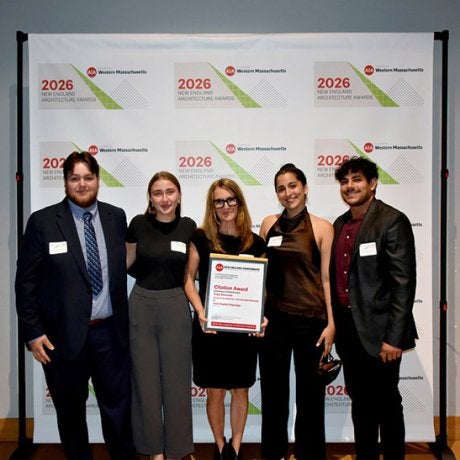
Norwich Design+Build Studio Wins Regional Architecture Award for Montpelier Playscape
By NU Marketing & Communications Office
American Institute of Architects New England honors student-built Little Rapids Playscape with a 2026 Citation Award.
2 min read

Norwich hosts hundreds of Vermont students for 'Day of Cyber'
By MyChamplainValley
This link takes the readers to an external article.